




Summer Foot Safety: 7 Ways to Protect Your Feet in 2026

June 18, 2026

Summer foot safety is the practice of protecting your feet from environmental hazards like hot pavement, unsupportive footwear, and bacterial infections during the warmer months. Key strategies include wearing SPF 30+ on the feet, choosing shoes with arch support, and keeping feet dry to prevent fungal growth and injuries.

Why is summer foot safety a seasonal priority?

As the temperature climbs in Charlotte, North Carolina, our footwear choices tend to take a nosedive in quality. We trade our sensible, supportive boots and sneakers for the structural equivalent of a potato chip: the flip-flop. While your toes might enjoy the sudden liberation, your arches and heels are likely screaming for mercy. Summer foot safety isn't just about avoiding a sunburn on your bridge; it’s about acknowledging that your feet are working harder in the heat, on more varied terrain, and often with less protection than any other time of year.

Think about it—during the summer, you’re suddenly walking on scorching sand, navigating slippery pool decks, and hiking trails that demand more than a thong sandal. Your feet are your primary mode of transportation for all those neighborhood festivals and beach vacations. If your "tires" go flat due to a preventable injury, your entire summer itinerary comes to a screeching halt. Maintaining a proactive approach to foot pain ensures you stay mobile while everyone else is icing their soles on the sidelines.

Is walking barefoot on the beach actually safe?

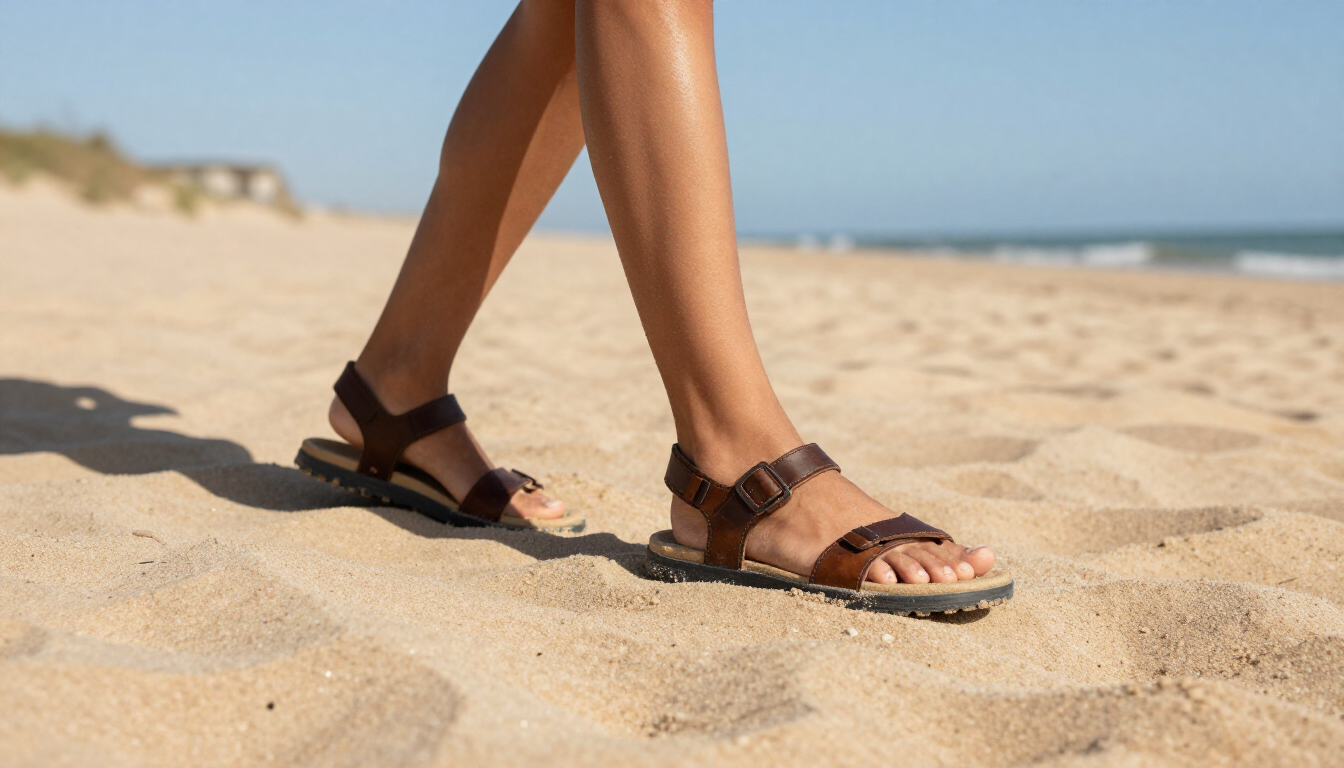
It’s a classic cinematic moment: walking barefoot through the surf as the sun sets. In reality, that sand can reach temperatures of over 120 degrees Fahrenheit, which is more than enough to cause second-degree burns on the delicate skin of your soles. Beyond the heat, the beach is a buffet of hidden hazards, from broken seashells and jagged rocks to abandoned fishing hooks and the occasional cranky crab.

Walking barefoot also deprives your feet of necessary structural support. If you struggle with conditions like plantar fasciitis , five minutes on uneven, shifting sand can trigger a flare-up that lasts for weeks. The soft surface requires your muscles to work overtime to stabilize your body, leading to rapid fatigue and potential strain.

Summer beach walking safety

The Hidden Cost of the "Flip-Flop Lifestyle"

We don't want to be the fun police, but flip-flops are essentially the fast food of footwear. They’re convenient, cheap, and deeply satisfying in the moment, but a steady diet of them will eventually cause internal chaos. Most standard flip-flops offer zero arch support, zero heel cushioning, and zero shock absorption. This lack of structure is a leading cause of heel pain and the development of heel spurs .

When you wear flip-flops, your toes have to "grip" the front of the shoe to keep it from flying off with every step. This unnatural gripping motion can lead to tendonitis and exacerbate issues like hammertoes . If you absolutely must wear sandals, look for versions with a thick, contoured footbed and a back strap to keep your foot secure. Your feet shouldn't have to do gymnastics just to stay inside your shoes.

How do I prevent fungal infections at public pools?

Public pools, water parks, and locker rooms are essentially luxury spas for fungi. They are warm, damp, and frequented by hundreds of feet—the perfect trifecta for spreading athlete's foot . Fungi thrive in moist environments, and once they find a home on your skin or under your nails, they are notoriously difficult to evict.

To keep your feet from becoming a science experiment, follow these prevention steps:

  • Never walk barefoot in communal areas like showers or pool decks.
  • Wear water shoes or rubber sandals to provide a barrier between your skin and the floor.
  • Dry your feet thoroughly after swimming, paying special attention to the spaces between your toes.
  • Change out of wet socks or shoes immediately after exercise or water activities.
  • Use an antifungal spray or powder if you are prone to infections.

If you notice persistent itching, redness, or yellowing of the nails, you may be dealing with fungal toenails , which requires professional intervention to clear up completely.

Sunburn on your feet: A forgotten danger?

You remember your face, your shoulders, and even your ears, but the tops of your feet are often the most neglected area when applying sunscreen. Because the skin on the top of your foot is thin and sits directly perpendicular to the sun’s rays, it burns quickly and painfully. A severe sunburn can make wearing shoes impossible and, in extreme cases, can lead to localized swelling and blistering.

Furthermore, the feet are a common site for melanoma, the deadliest form of skin cancer. Because we rarely inspect our soles or the areas between our toes, dangerous spots can go unnoticed for years. When you’re applying your SPF 30+ this summer, don't stop at your ankles. Give your feet the coverage they deserve, and remember to reapply after you’ve been in the water.

Supportive summer footwear

Why do my feet swell more in the summer heat?

If you feel like your shoes are getting tighter as the day goes on, you’re not imagining it. Heat causes blood vessels to dilate (expand) as the body tries to cool itself down. Combined with gravity, this leads to fluid pooling in the lower extremities—a condition known as heat edema. For those receiving geriatric foot care , this swelling can be particularly uncomfortable and may affect mobility.

To combat the summer swell, stay hydrated. It sounds counterintuitive to drink more water when your body is retaining fluid, but hydration helps flush out the excess salt that contributes to swelling. Additionally, try to elevate your feet above your heart for 15 minutes a few times a day to help the fluid circulate back toward your core.

Summer Sports and Avoiding Common Foot Injuries

Summer is the season for pick-up soccer games, beach volleyball, and morning jogs. However, the sudden increase in activity after a sedentary winter can lead to a spike in sports injuries . One of the most common issues we see at Ryan Foot & Ankle Clinic during the warmer months is ankle sprains , often caused by playing sports on uneven surfaces like grass or sand.

Before you jump into a game, ensure you are wearing sport-specific footwear. Running in flip-flops or playing volleyball in flat fashion sneakers is a recipe for a trip to the clinic. Proper lacing and supportive insoles can provide the stability needed to prevent ankle instability and long-term joint damage.

Essential Summer Foot Safety Checklist

To ensure your feet survive the season without a hitch, keep this quick checklist in mind before you head out the door for your next adventure:

  • Apply SPF 30+ to the tops and sides of your feet and reapply every two hours.
  • Keep a pair of "emergency" supportive shoes in your car if you plan on walking long distances.
  • Inspect your feet daily for cuts, blisters, or signs of infection after being outdoors.
  • Drink at least 8-10 glasses of water daily to minimize heat-related swelling.
  • Avoid walking barefoot on any surface that has been sitting in direct sunlight.

When should you see a podiatrist for summer pain?

While a minor blister can usually be handled with a bandage and some rest, persistent pain should never be ignored. If you experience sharp pain in your heel every morning, have a wound that won't heal, or notice a suspicious new mole on your foot, it’s time to call in the experts. Ignoring symptoms often turns a simple fix into a chronic condition that requires more intensive treatment.

At Ryan Foot & Ankle Clinic, we specialize in getting you back on your feet so you can enjoy every bit of the North Carolina summer. Whether you need a custom orthotic to fix your alignment or treatment for a stubborn ingrown nail, our team is here to provide compassionate, expert care. Don't let foot pain steal your summer—take the first step toward relief today.

Podiatry clinic interior

Summary of Summer Foot Protection

Protecting your feet during the summer requires a balance of common sense and the right equipment. By avoiding the pitfalls of unsupportive footwear, staying vigilant against fungal infections, and protecting your skin from the sun, you can keep your feet healthy and pain-free. Remember that your feet are the foundation of your active lifestyle; treat them with the respect they deserve, and they’ll carry you through many more summers to come. If you encounter any issues, from sports injuries to chronic pain, we are ready to help.

Key Takeaways:

  • Wear supportive sandals with arch support to prevent heel pain.
  • Apply sunscreen to your feet to prevent burns and skin cancer.
  • Always wear shoes in public pool areas to avoid fungal infections.
  • Stay hydrated to reduce seasonal swelling and edema.
  • Contact us immediately if you experience persistent pain or injury.
By VIV Builder April 9, 2026
Stay active and pain-free this Foot Health Awareness Month. Learn about heel pain, orthotics, diabetic foot care, and sports injury treatment options.
By VIV Builder April 1, 2026
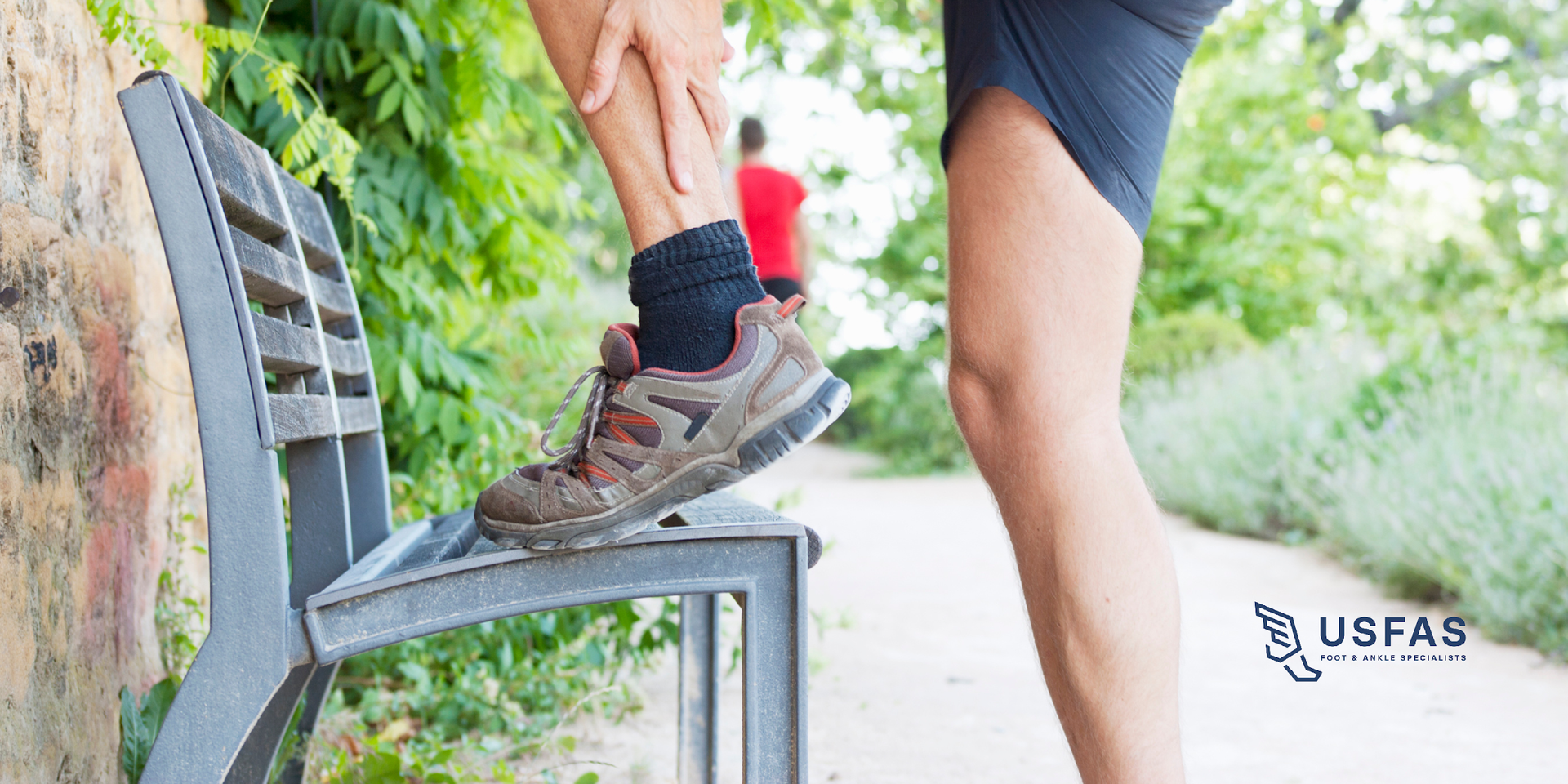
Achilles tendonitis can develop gradually, causing heel pain and stiffness that worsens over time. Learn the warning signs and how a podiatrist can help you get back on your feet.

By VIV Builder March 5, 2026
Ingrown toenails are a common foot condition that can start as a minor irritation and quickly become painful. Learn more about how we can help with ingrown toenails.
By VIV Builder February 19, 2026
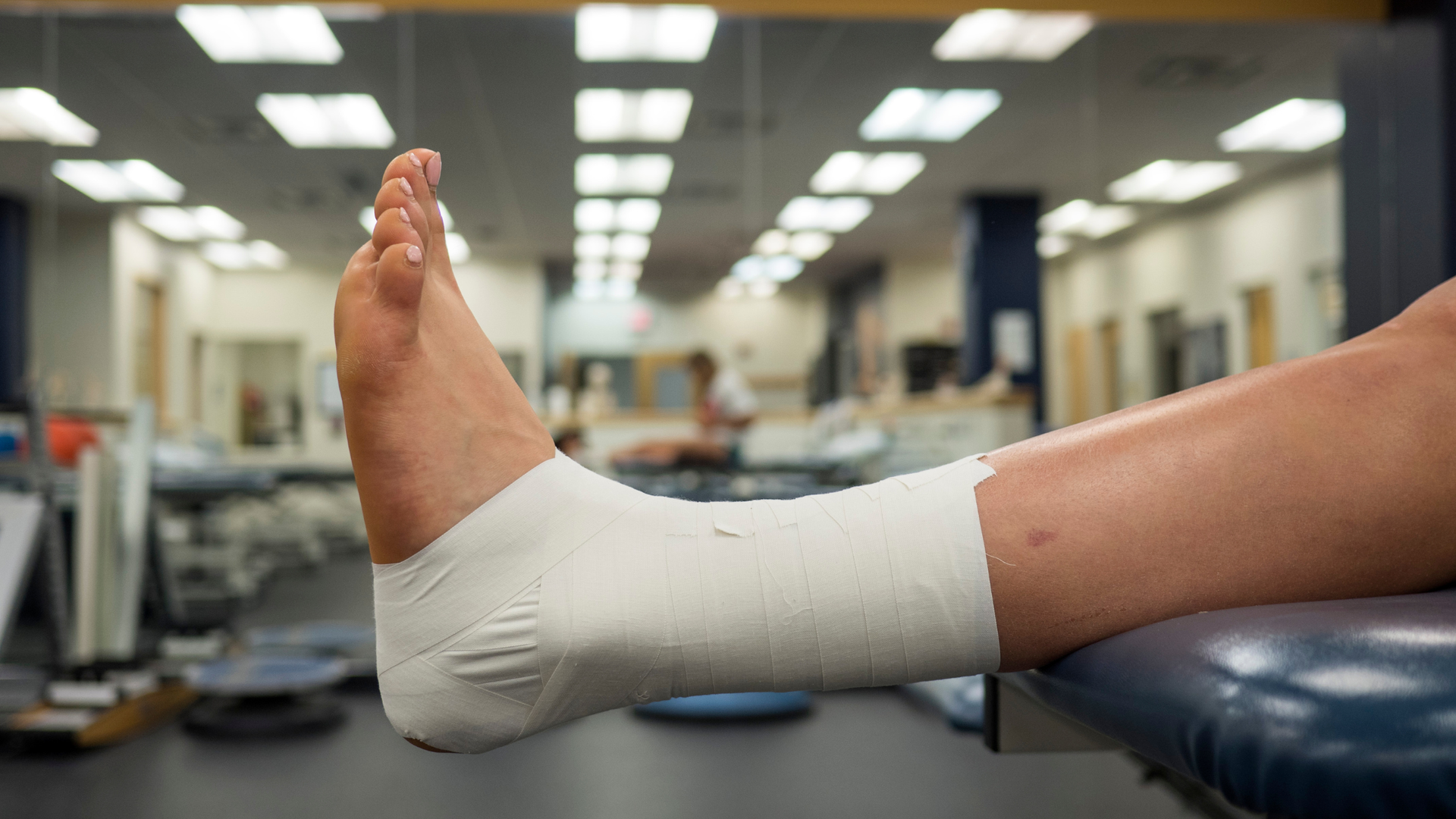
Ankle sprains are one of the most common foot and ankle injuries, yet they're often brushed off as no big deal. The truth is, even a mild sprain deserves proper care.
By VIV Builder February 5, 2026
Show Your Feet Some Love This February

By VIV Builder January 23, 2026
Understanding Podiatry Many people experience foot or ankle pain at some point, but they are not always sure where to turn for care. A podiatrist is a medical doctor who specializes in diagnosing and treating conditions of the foot and ankle. Their goal is to help patients move comfortably, stay active, and avoid pain that interferes with daily life. Podiatrists receive specialized medical training focused entirely on the feet and ankles. Because these areas support the entire body, even minor issues can have a big impact if left untreated. What Conditions Do Podiatrists Treat? Podiatrists treat a wide range of foot and ankle conditions for patients of all ages. From common concerns like heel pain and ingrown toenails to more complex issues such as sports injuries and diabetic foot conditions, podiatrists are trained to handle both routine and advanced care. They also address structural problems, skin and nail conditions, and injuries that affect mobility. By identifying the root cause of foot or ankle pain, podiatrists help patients find long-term relief rather than temporary fixes. When Should You See a Podiatrist? Foot pain is not something you have to live with. If you notice ongoing discomfort, changes in how you walk, or issues with your toenails or skin, it may be time to see a podiatrist. Early care can help prevent small problems from becoming more serious and can reduce recovery time. Patients with diabetes should also see a podiatrist regularly to help prevent complications and maintain foot health. What to Expect During Your Visit During a podiatry appointment, your provider will take time to understand your symptoms and lifestyle. They will examine your feet and ankles and may recommend imaging or other tests if needed. Based on their findings, they will create a personalized treatment plan tailored to your needs. Many podiatry treatments can be done in the office, allowing patients to return to normal activities quickly. Why Foot Health Matters Your feet play a major role in your overall health. Ongoing foot or ankle pain can lead to posture changes and strain on the knees, hips, and lower back. Proper foot care helps keep your entire body moving the way it should. Seeing a podiatrist is an important step in maintaining mobility and preventing future problems. Take the Next Step Toward Better Foot Health If foot or ankle pain is affecting your daily life, a podiatrist can help. With the right care and treatment, many conditions can be managed or resolved. Scheduling an appointment with a podiatrist is a simple step that can make a lasting difference in your comfort and mobility.

By VIV Builder January 9, 2026
A New Year Shouldn’t Start With Pain The beginning of a new year often comes with fresh goals—being more active, feeling healthier, and getting back to routines you enjoy. But heel pain can quickly get in the way. When every step hurts, even small tasks can feel frustrating. Heel pain is one of the most common foot issues treated by podiatrists. Many people try to ignore it or hope it will go away on its own, but without proper care, heel pain often lingers or gets worse over time. Why Heel Pain Happens Heel pain can develop for several reasons, and it often builds gradually. One of the most common causes is plantar fasciitis, which occurs when the tissue supporting the arch of the foot becomes inflamed. Other causes may include strain on the Achilles tendon, wearing shoes without proper support, or spending long hours on your feet. Pain is often most noticeable in the morning or after long periods of rest. While it may ease as you move around, it tends to return and can worsen without treatment. Common Conditions Linked to Heel Pain While heel pain feels similar for many people, the underlying cause can vary. Some of the most common conditions include: Plantar fasciitis Heel spurs Achilles tendon irritation Overuse or repetitive strain injuries Identifying the exact cause is key to getting the right treatment and long-term relief. Why Early Treatment Matters Ignoring heel pain can lead to changes in the way you walk. Over time, this can place added stress on your ankles, knees, hips, and lower back. What starts as foot pain can turn into discomfort throughout your body. Seeing a podiatrist early can help prevent these issues and reduce recovery time. Most heel pain can be treated without surgery when addressed promptly. How a Podiatrist Can Help A podiatrist specializes in foot and ankle care and can create a treatment plan tailored to your needs. Treatment may include stretching exercises, custom orthotics, footwear guidance, or other therapies designed to reduce pain and inflammation. With the right approach, many patients begin to feel relief and regain mobility. Step Into the New Year With Confidence Heel pain does not have to define your year. With proper care and treatment, you can move more comfortably and get back to doing the things you enjoy. If heel pain is holding you back, schedule a visit with a podiatrist and take the first step toward a healthier, pain-free new year.

December 18, 2025
A new year is the perfect time to focus on your health—starting from the ground up. As we head into 2026, taking care of your feet can help you stay active, comfortable, and ready for everything the year brings.  Why Foot Health Matters in the New Year Healthy feet support your overall mobility and daily comfort. Common foot problems can make walking, standing, and even simple activities difficult. Early care can prevent small issues from becoming bigger ones. You may benefit from a podiatry visit if you have: Heel or arch pain Flat feet or high arches Foot or ankle injuries Toenail problems Corns, calluses, or skin issues Pain that keeps coming back How We Help You Start the Year Strong Our podiatry team provides: Comprehensive Foot Exams to identify pain or concerns Treatment Plans for chronic or sudden foot issues Custom Orthotics for support and alignment Footwear Guidance to reduce discomfort and improve stability Preventive Care to keep your feet healthy long-term Start 2026 With Healthy, Pain-Free Feet Make this the year you put your foot health first. Schedule an appointment today to address any concerns and step into 2026 with confidence, comfort, and support.
December 4, 2025
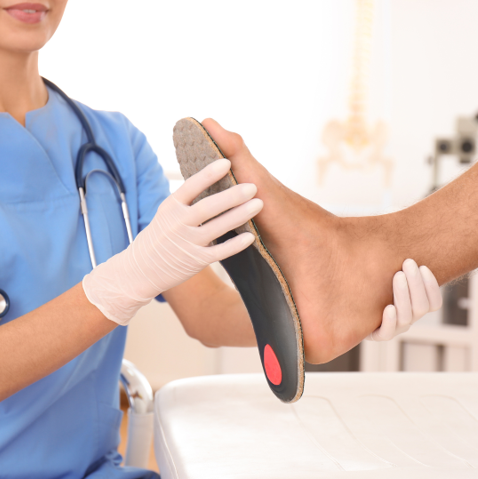
December is the season of giving, and there’s no better gift than comfort. If you’re looking for something meaningful, helpful, and long-lasting, custom orthotics are a great choice. They support the feet, improve balance, and make everyday activities easier and more comfortable. Why Orthotics Make a Great Gift Many people struggle with foot pain, tired feet, or discomfort when walking or standing. Custom orthotics can help by: Reducing foot, heel, and arch pain Providing better alignment and support Improving comfort during work, exercise, and daily routines Helping prevent future foot problems They are a thoughtful gift for anyone—especially those who stay on their feet all day, enjoy being active, or dealing with ongoing foot issues. How Our Team Can Help Our podiatry team offers: Custom Orthotic Fittings tailored to your foot shape and needs Foot Evaluations to identify pain points and pressure areas Supportive Shoe Recommendations for everyday comfort Ongoing Care for long-term foot health Give Comfort This Christmas If you’re searching for a gift that truly helps someone feel better, custom orthotics are a smart and meaningful choice. Contact our office to schedule an appointment or learn more about how orthotics can bring comfort all year long.
November 7, 2025
November marks National Diabetes Awareness Month , a time dedicated to raising awareness, supporting those affected, and sharing ways to live healthier with diabetes. With diabetes impacting millions of Americans, proactive foot care remains one of the most important—and often overlooked—parts of diabetes management. Why Foot Health Matters Diabetes can affect the feet in several ways, and early prevention is key. High blood sugar levels may lead to: Nerve damage (neuropathy) that causes numbness, tingling, or loss of sensation Reduced blood flow , slowing the healing process Higher risk of infections, wounds, and ulcers , which can become serious if left untreated Healthy, routine foot care can help prevent complications and support mobility, comfort, and long-term wellness. How Our Podiatry Team Supports Diabetic Foot Health We provide comprehensive diabetic foot care to protect, prevent, and treat foot-related concerns, including: Routine Diabetic Foot Exams Early detection and intervention to address concerns before they become more serious. Custom Orthotics Personalized support to improve balance, relieve pressure points, and enhance walking comfort. Advanced Wound Care Specialized treatment plans for wounds, ulcers, or injuries to promote faster healing and reduce risks. Footwear Guidance Recommendations for proper shoes and inserts designed to prevent irritation, friction, and injury. We’re Here to Help You Stay Healthy Caring for your feet is an essential part of staying active, independent, and healthy with diabetes. Whether you have questions about preventive care, footwear, or treatment options, our podiatrists are here to guide and support you every step of the way. This month is a great time to schedule a diabetic foot check or talk with us about ways to keep your feet protected year-round. Together, we can work toward better foot health and a healthier life with diabetes.
Show More
